
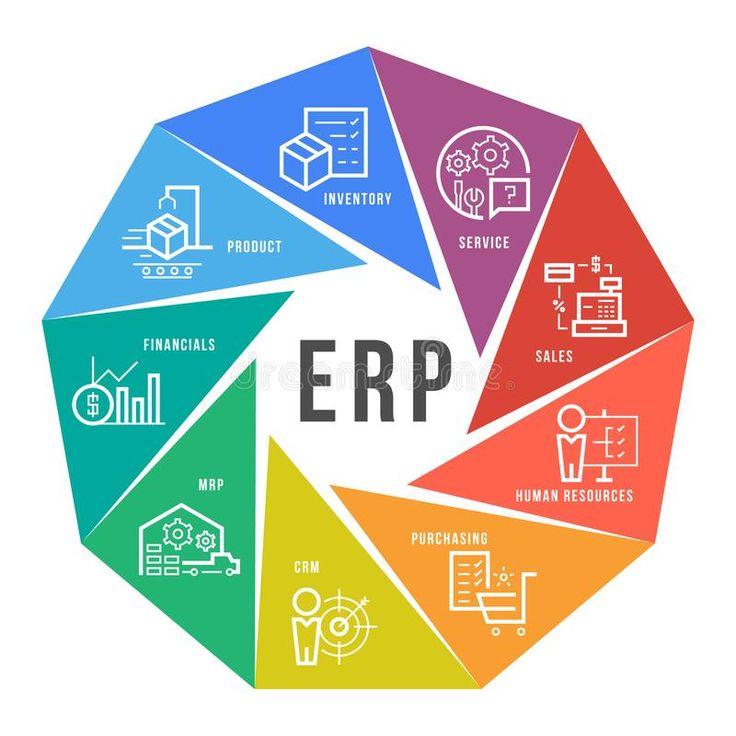
Evaluation summary
Expected business outcomes
- Unified operational and financial data
- Reduced manual process effort
- Improved inventory and procurement control
- Management reporting for faster decisions
Typical deliverables
- ERP readiness assessment
- Process and module planning
- Configuration and role-based access setup
- Data migration planning support
- Training and post-implementation guidance
Best fit for
- Operations and finance leaders
- Manufacturing and distribution businesses
- Organizations replacing spreadsheets or legacy systems
- Teams needing approval and reporting controls
Implementation approach
- Step 1
Assessment and scope definition
- Step 2
Module and workflow design
- Step 3
Configuration and data preparation
- Step 4
Validation, training, and rollout
Frequently asked questions
How do I know if my business needs ERP?
ERP is useful when teams rely on disconnected spreadsheets, manual approvals, duplicate data entry, or limited visibility across finance, inventory, procurement, and operations.
Does ERP implementation include process improvement?
Yes. Effective ERP implementation reviews current processes and configures workflows so the system supports efficient, controlled operations.